Preventive health focuses on catching problems early. Instead of waiting for symptoms to become serious, people take steps to monitor their health and identify changes before they become larger concerns.
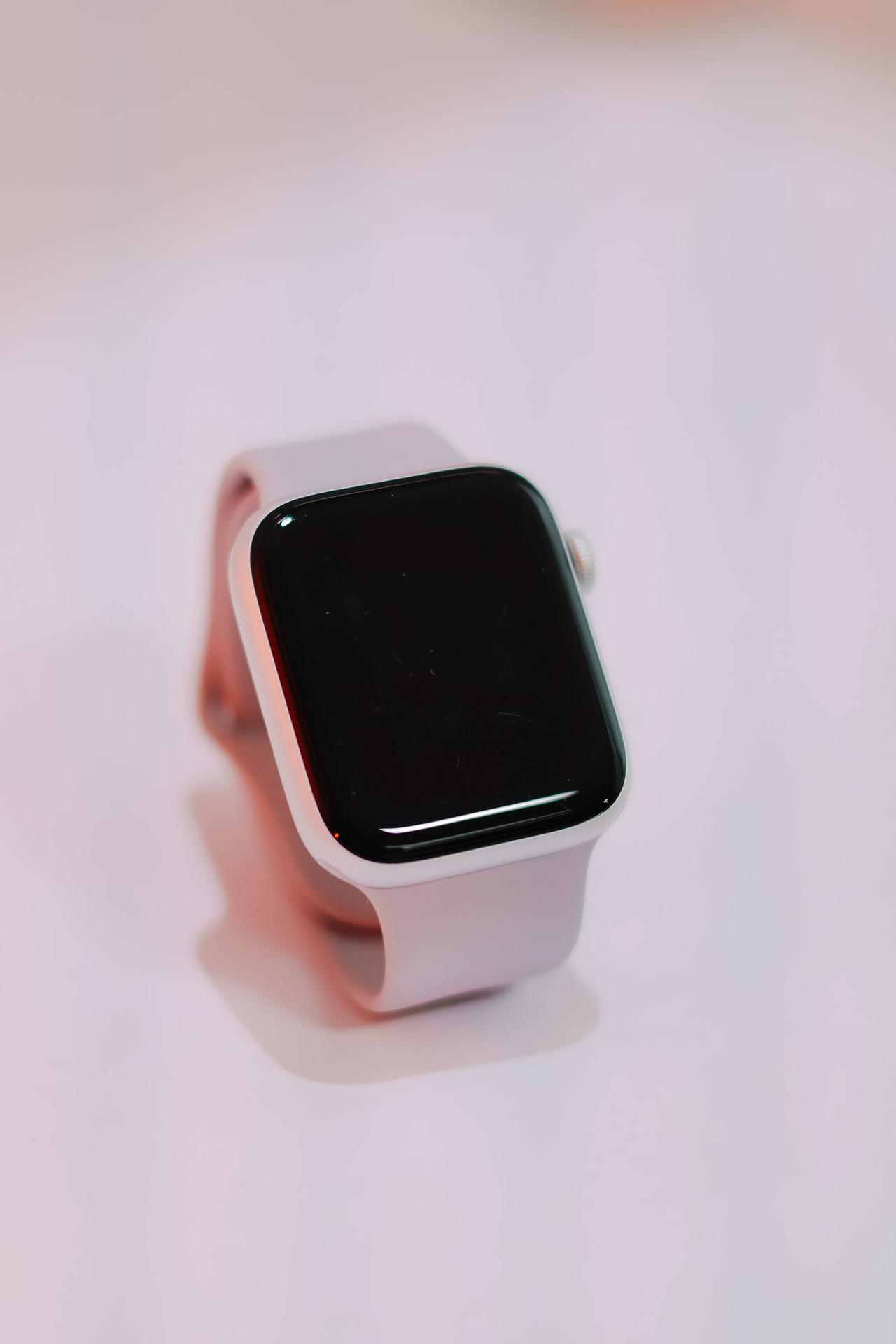
This shift in thinking has helped drive the growth of wearable devices. Smartwatches, fitness trackers, health-monitoring rings, and other connected devices now help people collect health information throughout the day without disrupting their routines.
A common question remains: does wearable technology improve health?
The answer depends on how the technology is used. Wearables do not replace healthcare professionals, diagnoses, or medical treatment. What they do provide is ongoing access to information that helps people become more aware of their health and habits.
Let's look at how wearable technology supports preventive health and why more people are using it to stay informed.
For years, most health information came from occasional doctor visits. You might have your blood pressure checked during an appointment or discuss symptoms when they appeared.
Wearable technology changes that model.
Many devices now track health-related data throughout the day, including:
Instead of relying on occasional snapshots, users gain access to long-term trends.
This continuous monitoring gives people a clearer picture of what is happening between medical appointments.
One of the biggest benefits of wearable devices is increased awareness.
Many health issues develop gradually. Small changes often occur before obvious symptoms appear.
For example, a wearable device may show:
These patterns do not automatically signal a health problem. However, they can encourage someone to pay closer attention and seek professional advice when needed.
The earlier people notice changes, the earlier they can respond.
That is one reason many people asking "does wearable technology improve health" find value in these devices.
A single measurement rarely tells the full story.
For example, one poor night's sleep is usually not a concern. But consistent sleep disruption over several weeks may reveal an issue worth addressing.
Wearable devices excel at tracking trends over time.
This long-term view helps users understand patterns such as:
Looking at trends allows people to make informed decisions based on ongoing behavior rather than isolated events.
And because the information is collected automatically, it becomes easier to spot changes that would otherwise go unnoticed.
Preventive health often comes down to daily choices.
Small actions repeated consistently have a major impact over time.
Wearable devices encourage healthy habits by providing reminders, goals, and feedback.
Many users report becoming more aware of:
The technology itself does not create healthy habits. Instead, it helps people see where adjustments are needed.
That visibility often motivates positive change.
Sleep plays a major role in overall health.
Poor sleep affects energy levels, focus, mood, recovery, and long-term wellness.
Many wearable devices track:
Users often discover patterns they were unaware of.
For example, someone who feels tired every morning may learn that they wake frequently during the night. Another person may discover inconsistent sleep schedules that affect recovery and productivity.
By identifying these patterns, people can make changes and discuss concerns with healthcare professionals when necessary.
Another benefit of wearable technology is the ability to provide information during medical appointments.
Instead of relying entirely on memory, users can often share data trends collected over weeks or months.
This information can support discussions about:
Doctors still make medical decisions based on clinical evaluation and testing. However, long-term health data often provides useful context.
This helps create more informed conversations about overall wellness.
Many people still associate wearables with fitness tracking.
While exercise remains a major use case, modern devices support much broader health goals.
Today's wearables often focus on:
This wider focus reflects the growing understanding that preventive health involves much more than exercise alone.
Good health depends on a combination of movement, sleep, recovery, and lifestyle habits.
As wearable technology continues to evolve, connected devices are becoming more integrated into everyday life.
People increasingly expect technology to help them stay informed without adding complexity.
Modern wearable devices combine convenience with continuous access to information, allowing users to better understand their habits and routines.
For consumers looking for reliable technology solutions, connected devices have become an important part of managing both productivity and personal wellness.
So, does wearable technology improve health?
Wearables improve health awareness. They help users monitor trends, identify changes, support healthier habits, and encourage earlier action when concerns arise.
They are not a replacement for healthcare professionals. But they are valuable tools that help people stay engaged with their health between appointments.
As preventive health becomes more important, wearable technology continues to play a growing role in helping people understand their bodies, track long-term patterns, and make informed decisions about their well-being.
Interested in wearable technology and connected devices that fit into your daily life? Get in touch to learn more about the latest wearable solutions and how they can support your health, productivity, and lifestyle goals.