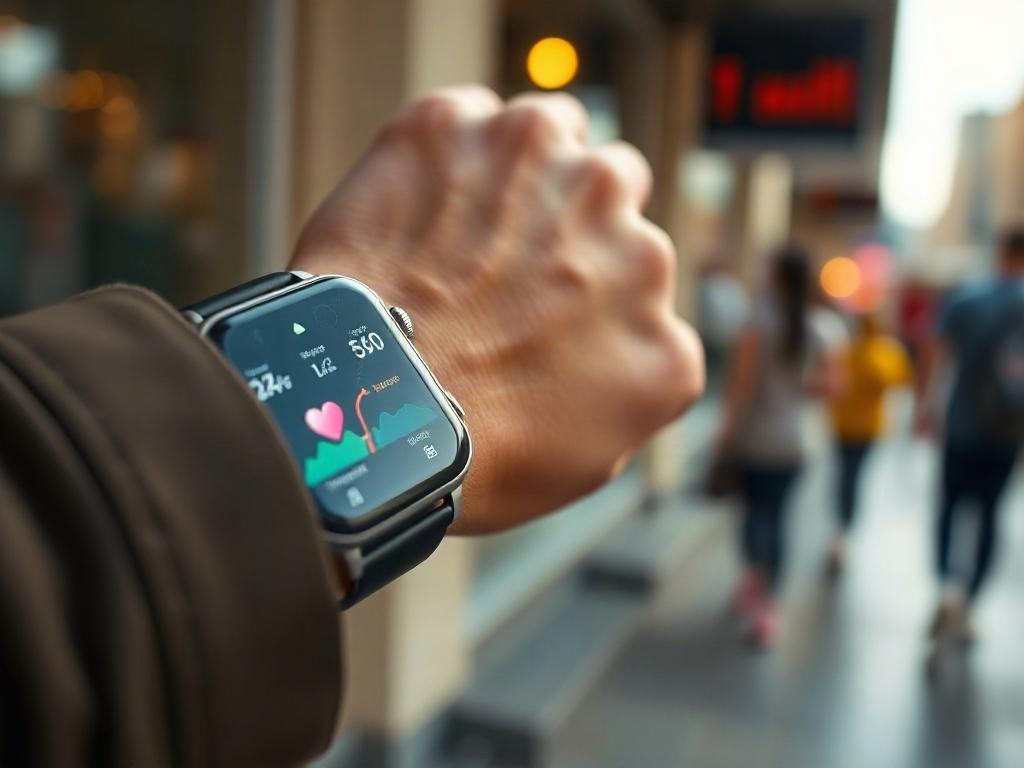
Wearable technology has become a convenient part of everyday life. Smartwatches and other connected devices can track activity, monitor key health metrics, send notifications, and keep users connected without them reaching for a phone. As artificial intelligence advances, these devices are gaining the ability to do more with the information they collect.
AI can help wearable technology recognize patterns, identify unusual activity, personalize experiences, and provide more useful insights. Instead of simply displaying information, AI-powered wearables can help users understand what that information means and how it relates to their routines.
Traditional wearable devices can collect large amounts of information throughout the day. Steps, movement, sleep patterns, heart rate data, and other measurements can create a detailed picture of a user's habits.
AI can analyze these data points and identify patterns that might be hard for a person to recognize on their own. This makes wearable technology more useful because the device can provide context instead of simply presenting a collection of numbers.
One of AI's most valuable capabilities is pattern recognition. Wearable devices can collect information continuously, giving AI more data to analyze over time.
For example, an AI system may recognize changes in activity levels or identify recurring patterns in sleep and daily movement. Recognizing these trends can help users better understand their routines and notice changes that may otherwise go unnoticed.
This can also make wearable technology more convenient. Users don't necessarily need to analyze every piece of information themselves because AI can help organize the data into useful observations.
AI can also make wearable technology more proactive through predictive insights. By analyzing historical patterns, AI systems can identify trends and make predictions based on a user's typical behavior.
Predictive capabilities may help users understand when they tend to be most active, recognize changes in their routines, or anticipate when certain goals may require additional attention. The value comes from turning historical information into insights that can support better decisions.
As AI technology improves, predictive features could become increasingly personalized. Wearables may become better at understanding individual habits and providing relevant information at the right time.
AI can help wearable devices identify activity or measurements that differ from established patterns. This process, known as anomaly detection, can be useful when information changes unexpectedly.
For example, an AI system could recognize that a user's typical activity pattern has changed significantly. Depending on the device and its capabilities, that information could prompt a notification or encourage the user to pay closer attention to what's happening.
Wearable technology isn't a substitute for professional medical care, but intelligent monitoring can give users another source of information about their daily habits and changes.
People use wearable technology for different reasons. One person may care most about fitness, while another may prioritize communication, productivity, sleep, or staying connected with family.
AI can help devices adapt to individual preferences by learning from how people interact with them. Personalized notifications, recommendations, and interfaces can make the experience feel more relevant without overwhelming users with unnecessary information.
This type of personalization can also help users get more value from features they might otherwise overlook.
AI isn't limited to analyzing data in the background. It can also improve how people interact with wearable devices.
Smarter voice interactions, more relevant notifications, automated organization, and context-aware features can make wearables easier to use. As AI becomes more capable, devices may become better at understanding what users need in different situations.
The result could be a wearable that feels less like a small computer on the wrist and more like an intelligent assistant that works alongside the user.
The combination of AI and wearable technology opens the door to new possibilities. Devices may become increasingly capable of recognizing user behavior, adapting to individual preferences, and delivering useful information without requiring constant interaction.
Future developments could include more sophisticated activity recognition, improved personalization, smarter safety features, and stronger connections between multiple connected devices. These capabilities could make wearable technology an even more practical part of everyday life.
Privacy and data security will remain important considerations as these systems become more intelligent. Users should understand what information their devices collect, how they process it, and what protections are in place.
AI is giving wearable technology new capabilities that extend beyond basic tracking. Through pattern recognition, predictive insights, anomaly detection, personalization, and smarter interactions, AI can help transform raw information into experiences that are more relevant to each user.
At Doha Inc., we're committed to creating connected technology that fits naturally into everyday life. Explore our wearable technology and connected devices to discover what's possible, and contact our team to learn how we can help you find the right technology for your needs.