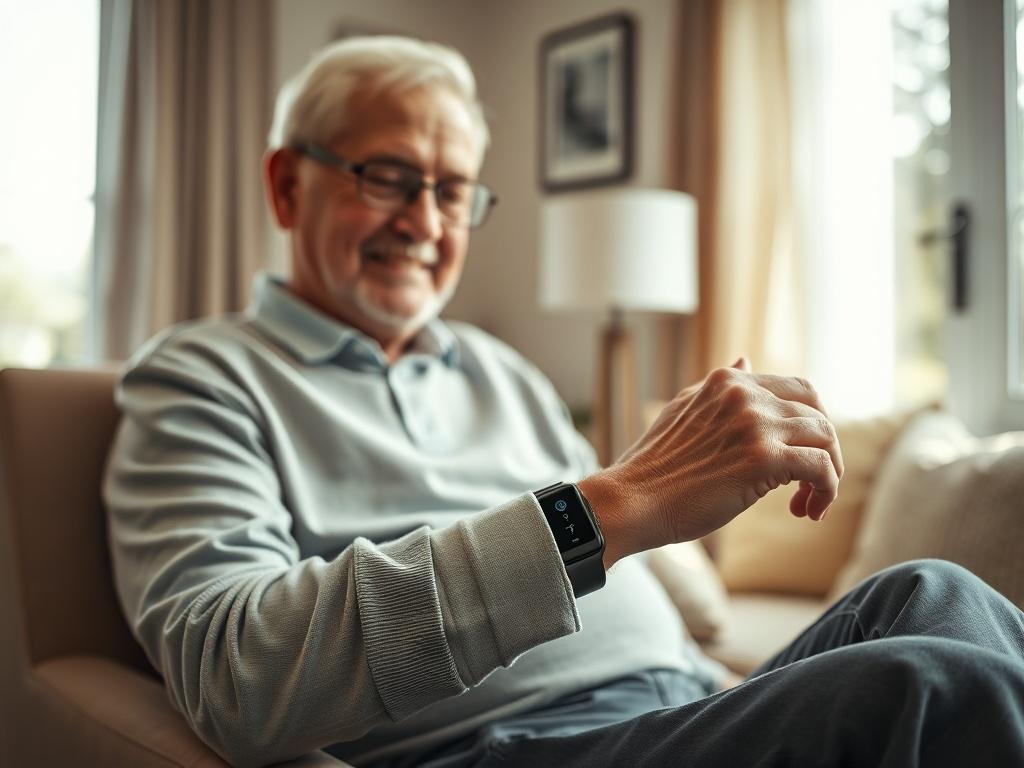
There's a quiet irony at the heart of most senior technology products. They're designed to solve problems, but the devices themselves often become the problem. Setting up screens, app downloads, charging reminders, and notification management creates so much friction that it defeats the purpose entirely. The best wearable for elderly users isn't the one with the most features. It's the one that disappears into daily life.
Cognitive load is a significant barrier to technology adoption among older adults. When a device requires regular attention, troubleshooting, or manual input, many seniors will quietly stop using it. That abandonment doesn't get reported in product reviews, but it happens constantly in households across the country.
The goal of wearable health technology should be to provide value without demanding anything in return. A device that requires the user to remember to press a button, charge it on a schedule, or navigate a settings menu has already failed a significant portion of its intended audience. Passive, automatic monitoring is what actually gets worn and actually delivers results.
Mainstream smartwatches are genuinely impressive pieces of technology. They track sleep, heart rate, blood oxygen, activity levels, and more. But they're built for users who enjoy engaging with technology, which describes a very different demographic than most seniors.
For an elderly user, a smartwatch can feel overwhelming from the moment it's unboxed. Pairing it with a phone, customizing notification preferences, learning gesture controls, and charging it every night create a learning curve that many find discouraging. Good intentions don't lead to good outcomes when the device sits in a drawer after two weeks.
The phrase "just works" gets used loosely in tech marketing, but for senior wearables, it has a very specific meaning. A device that just works does the following without any input from the user:
When these conditions are met, the technology becomes invisible. That invisibility is the feature.
Fall detection is one of the clearest examples of how passive technology saves lives. A wearable that automatically senses a fall and alerts emergency contacts requires nothing from the user in the most critical possible moment. Contrast that with a traditional medical alert button, which requires the user to be conscious, calm, and within reach of the device to press it.
The shift from reactive to proactive monitoring is significant. Families and caregivers gain real peace of mind not because they're watching a dashboard all day, but because they know the system is watching automatically. That confidence is what makes wearable health tech genuinely valuable for aging adults.
Senior wearables aren't purchased in a vacuum. Adult children, spouses, and professional caregivers are often the ones researching options, making decisions, and managing the technology after it's deployed. A device that requires frequent caregiver intervention to keep running defeats the purpose of remote monitoring.
The ideal wearable reduces caregiver burden rather than adding to it. That means fewer check-in calls to confirm the device is charged, fewer visits to troubleshoot connectivity issues, and fewer moments of uncertainty about whether the device is even being worn. When technology handles itself, everyone in the care circle benefits.
There's a meaningful difference between designing technology for seniors and designing technology that happens to be used by seniors. The former starts with the user's actual daily reality: reduced fine motor control, potential vision changes, varying comfort with screens, and a preference for routines that don't require adjustments. Devices built with that reality in mind look and feel different from products marketed solely to an older demographic.
Comfort, durability, and discretion matter as much as technical specs. A wearable that feels like a medical device creates stigma. One that feels like a normal accessory gets worn.
At Doha Inc., we built our wearable health technology around one central belief: the best device is the one that works without being noticed. Our team designed a solution that monitors continuously, detects emergencies, and keeps families informed without burdening the person wearing it. We don't ask elderly users to manage apps, remember to press buttons, or navigate confusing interfaces.
If you're looking for a wearable that genuinely fits into an older adult's life without disrupting their day, we'd love to show you what's possible. Visit our frequently asked questions page to learn more about how our technology works and whether it's the right fit for your family.