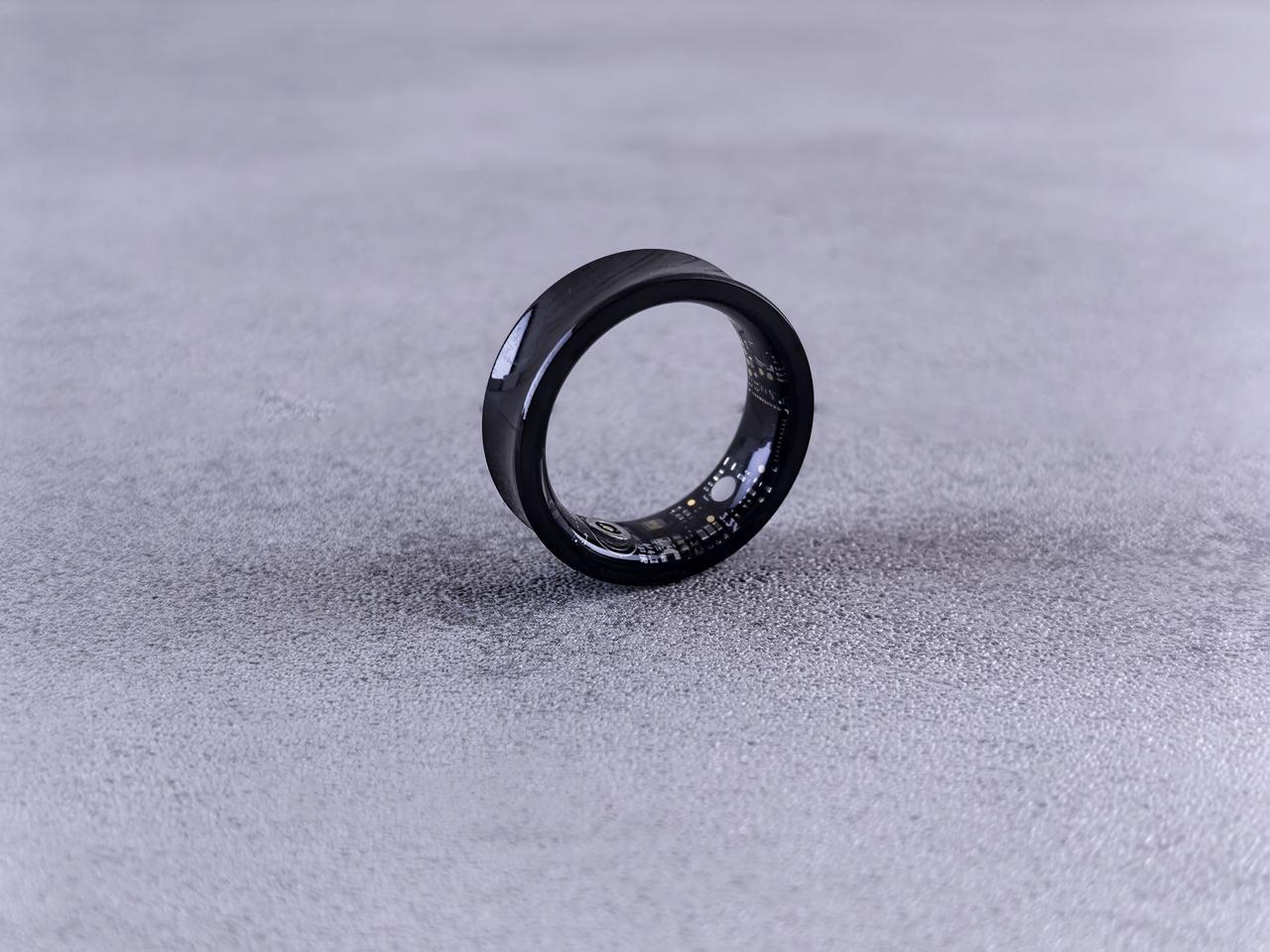
When many people hear the phrase wearable technology fashion, they picture bulky fitness trackers, oversized smartwatches, or devices that look more like gadgets than accessories.
That perception is outdated.
Over the last decade, wearable technology has changed significantly. Modern devices are designed to blend into everyday life while offering practical features that support communication, wellness, productivity, and convenience.
Today's wearable technology fashion focuses on both form and function.
Yet several misconceptions continue to shape how people view the category.
Let's look at some of the most common myths and what wearable technology fashion actually looks like today.
One of the oldest assumptions about wearable devices is that they are large, heavy, and uncomfortable.
This may have been true for some early products. But modern wearables have become much smaller and more refined.
Many current devices feature:
Manufacturers understand that people wear these devices throughout the day. Comfort is no longer optional.
Today's wearable technology fashion prioritizes wearability just as much as functionality.
Some people assume wearable devices are designed only for technology-focused consumers.
In reality, wearables now serve a much broader audience.
Users include:
Many people use wearables without considering themselves technology enthusiasts.
They simply want convenient access to information, communication, health tracking, or productivity tools.
The category has expanded far beyond its early adopters.
Fitness tracking remains popular, but it represents only one part of the wearable market.
Modern devices support many everyday activities.
Common uses include:
As a result, wearable technology fashion has evolved into a lifestyle category rather than a fitness-only category.
People wear these devices because they fit naturally into daily routines.
This misconception is becoming less common, but it still exists.
Some consumers believe technology automatically compromises appearance.
Current wearable products prove otherwise.
Manufacturers now invest heavily in:
Many wearables are intentionally designed to complement personal style rather than dominate it.
Users can often select designs that match professional, casual, athletic, or formal settings.
Technology and style no longer compete with each other.
Another common misunderstanding is that all wearable devices share the same appearance.
The reality is quite different.
The wearable market includes:
Design options vary significantly between products.
Some prioritize minimalist aesthetics. Others focus on luxury-inspired finishes. Many emphasize simplicity and everyday versatility.
This variety allows users to choose devices that align with their preferences and lifestyle.
Wearables have been steadily growing for years.
The reason is simple.
They solve practical problems.
People value devices that help them:
Unlike short-lived trends, wearable technology continues to evolve because it provides ongoing utility.
As devices become more capable and more attractive, adoption continues to expand.
Several factors are driving continued interest in wearable devices.
Consumers increasingly want technology that feels natural rather than intrusive.
They want devices that:
Wearable technology fashion meets these expectations by combining practical features with thoughtful design.
The result is a category that appeals to a wide range of users, not just technology enthusiasts.
The most successful wearable devices achieve balance.
They provide useful features while remaining comfortable and visually appealing.
This balance is important because people wear these devices every day.
A wearable that performs well but feels awkward will not stay on someone's wrist, finger, or body for long.
Likewise, a stylish device with limited functionality offers little value.
Modern wearable technology fashion succeeds because it addresses both needs simultaneously.
Wearable devices continue to become more integrated, more capable, and more adaptable.
Future designs will likely place even greater emphasis on personalization, comfort, and seamless integration with other connected devices.
As technology becomes less visible and more intuitive, the line between fashion and technology will continue to blur.
Consumers increasingly expect both.
The idea that wearable technology fashion is bulky, complicated, or limited to fitness no longer reflects reality.
Today's wearables are designed for everyday life. They combine practical functionality with modern design, helping users stay connected, organized, and informed without sacrificing personal style.
As the category continues to evolve, wearable technology fashion is becoming less about technology alone and more about how technology fits naturally into the way people live.
Looking for wearable devices that combine performance, comfort, and modern design? Get in touch to learn more about the latest wearable technology options and find the right fit for your lifestyle.