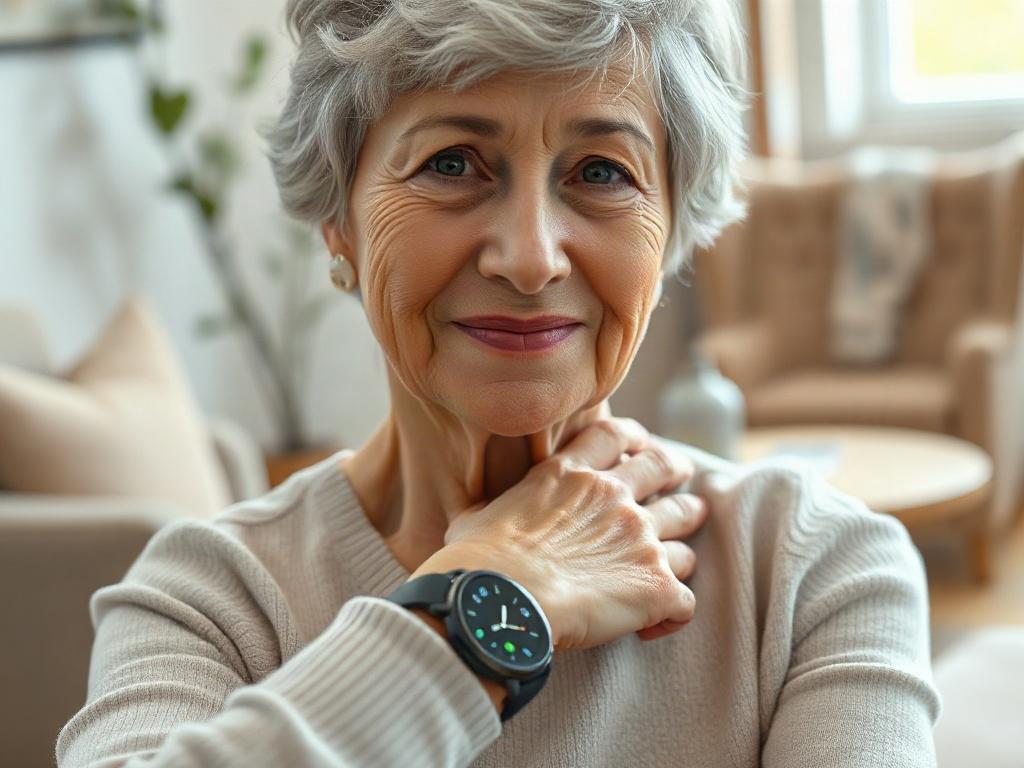
As we get older, staying independent can become increasingly important, but safety concerns can sometimes make everyday activities feel more complicated. Falls are one of the biggest risks for older adults, especially when someone lives alone or has difficulty getting up after an accident. Fortunately, wearable technology is giving seniors and their families another way to stay connected and respond to potential emergencies.
Fall detection is one of the most valuable safety features available in certain wearable devices. By monitoring movement and recognizing patterns associated with a potential fall, these devices can help alert the wearer, a caregiver, or an emergency contact when assistance may be needed. At Doha Inc., we believe connected technology can play an important role in helping people stay informed, connected, and supported throughout their daily lives.
Falls can happen unexpectedly during everyday activities. An older adult may trip while walking, lose their balance while getting out of a chair, or experience a fall in a location where a phone isn't within reach.
The consequences can extend beyond the initial injury. Someone who can't get up or communicate after a fall may remain without assistance for an extended period, increasing the risks of delayed care.
Wearable technology for elderly adults can provide an additional safety resource. Since a wearable stays on the person, it can offer access to certain emergency features without requiring the individual to reach a phone or another device.
Fall detection technology uses sensors within a wearable device to monitor movement. An accelerometer can measure changes in speed and movement, while a gyroscope can help detect changes in orientation and position.
When the sensors identify a movement pattern that resembles a fall, the device can respond according to its programmed capabilities. Some devices may first alert the wearer, giving them a chance to confirm they're okay.
If the wearer doesn't respond, some devices may notify a designated contact or trigger an emergency response. The exact process depends on the device, its features, and how the wearer has set it up.
Getting help quickly after a fall can be extremely important. An older adult who has suffered an injury may have trouble standing, walking to a phone, or calling a family member.
A wearable can help shorten the communication gap by keeping safety technology close to the wearer. When a potential fall is detected, an alert may allow a caregiver or emergency contact to learn about the situation sooner.
Faster communication doesn't guarantee a particular medical outcome, and fall detection can't identify every incident perfectly. It can, however, provide another potential way to connect someone with assistance when they may not be able to make a call themselves.
Many older adults want to remain independent for as long as possible. Families may feel more comfortable with that independence when their loved one has access to technology that can provide an additional layer of support.
Wearable technology can help seniors keep participating in everyday activities while keeping communication and safety features readily available. This can be especially helpful for older adults who spend time alone or enjoy staying active outside the home.
The goal isn't to eliminate every potential risk. Instead, wearable technology can become one part of a broader approach to senior safety that includes family communication, appropriate medical care, and practical precautions around the home.
Fall detection is important, but families should also consider how a wearable fits into the senior's everyday routine. A comfortable, simple-to-use device may be more practical for consistent use.
Depending on the device, useful features may include:
It's also important to understand exactly how each safety feature works before relying on it. Families should review the device's capabilities, notification process, connectivity requirements, and emergency settings.
Wearable technology can benefit caregivers as well as older adults. When family members live separately, they may not always know when a loved one has experienced a problem.
A connected wearable can provide another way for seniors and their families to communicate. Depending on the device, alerts can notify designated contacts of potential emergencies and give them a chance to check in.
For families, this can provide valuable peace of mind. It can also support a senior's desire for independence by creating another way to stay connected without requiring constant in-person supervision.
Fall detection only works when the wearable is worn and has enough battery power to operate. That's why comfort, battery life, and ease of use should factor into the decision when selecting wearable technology for an older adult.
A wearable that feels natural to wear throughout the day is more likely to become part of a person's routine. Seniors should also feel comfortable charging the device and using its emergency functions.
Taking time to learn how the technology works can make a significant difference. Families can help older adults understand how alerts are triggered, who receives notifications, and what steps to take in an emergency.
Wearable technology for elderly adults can provide an important additional layer of safety, particularly when fall detection and emergency communication features are available. By helping connect seniors with caregivers or emergency contacts more quickly, these devices may reduce some of the risks associated with delayed assistance.
At Doha Inc., we believe technology should work for the people who use it. Our team is ready to help you explore our products and discover how Doha Inc. can help you stay connected. Reach out to us today for more information.