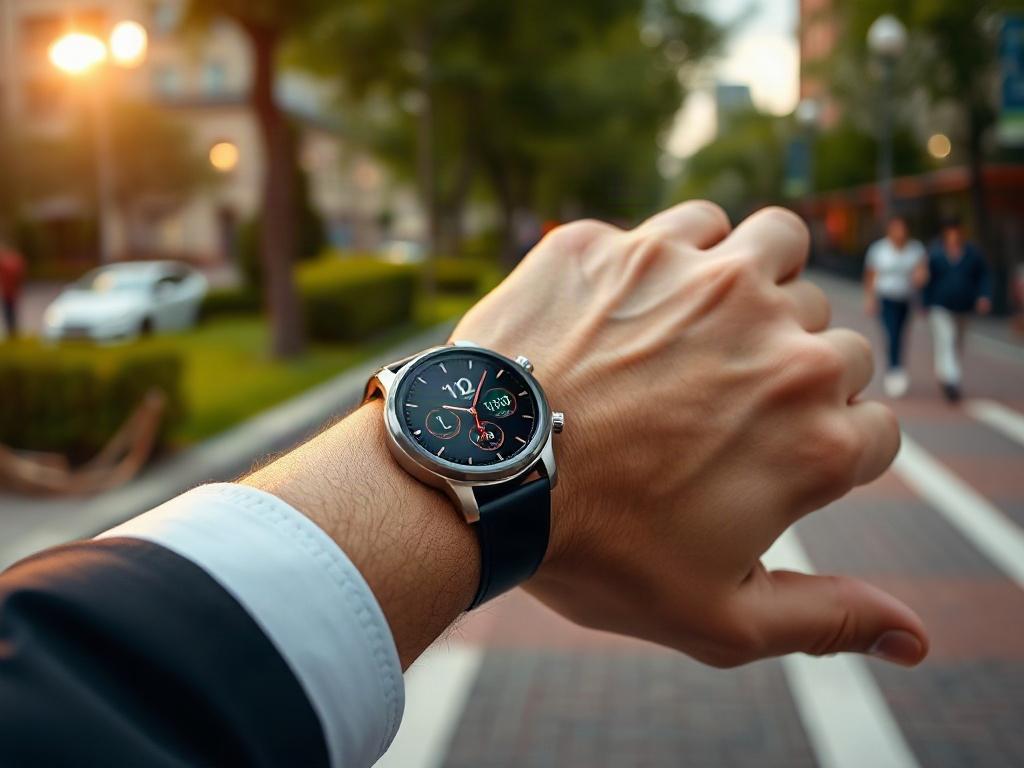
A smartwatch can tell you how many steps you took, how well you slept, and sometimes even when your heart rate seems unusual. It's a lot of information from something that sits on your wrist. For many people, that convenience is worth it. Still, it's fair to wonder what happens to all that personal data after a device collects it.
Wearable technology has changed how people track their health, stay connected, and manage everyday tasks. But the more these devices know about us, the more important privacy becomes. Before buying a fitness tracker or another connected device, it's worth understanding what you're gaining and what you might be giving up.
For most people, the appeal is simple: wearable devices make certain tasks easier. They can provide useful information without you having to pull out your phone or track everything yourself.
Fitness trackers and smartwatches can record daily movement, heart rate, sleep patterns, and other wellness measurements. Someone building an exercise routine might use that information to see whether they're making progress. Others may appreciate reminders to move after hours at a desk.
Some devices also alert users to potentially unusual readings. These features can be helpful, but they're not designed to diagnose every health problem. The quality and accuracy of the information depend on the device and how you use it.
Wearables aren't just for fitness. Many let users receive messages, answer calls, pay for purchases, or access certain features without reaching for a phone.
Some businesses also use wearable devices for tasks such as employee communication, equipment monitoring, or hands-free access to information. In these situations, the right technology can save time and make routine work more manageable.
The catch is that many of these features rely on collecting or sharing information. That's where privacy deserves a closer look.
A device might seem harmless because it only records a few measurements. However, the information it collects can reveal more than users expect, especially when it gathers data over weeks or months.
Location history can show where someone lives, works, exercises, or regularly visits. Sleep tracking may reveal typical waking hours, while activity records can offer clues about daily routines.
Not every wearable collects all of this information. The details depend on its sensors, settings, and connected apps. Before agreeing to data collection, check what the device actually needs to function.
Wearables may collect heart rate readings and other physiological measurements. Some connected products also use biometric features, such as facial recognition, to identify users or provide access.
This information can be sensitive. If a password is exposed, you can change it. You can't easily replace your biological characteristics, which makes responsible data storage and access controls especially important.
The manufacturer isn't always the only party involved in handling wearable data. Depending on the product and its privacy policy, information may be shared with app developers, analytics providers, or other business partners.
That doesn't automatically mean your data is being misused. However, it's worth checking whether sharing is necessary, whether you can opt out, and how long information is retained. A privacy policy should explain these practices in plain language.
Privacy and security are closely related, but they're not quite the same. Privacy concerns what happens to your information, while security concerns how well it's protected from unauthorized access.
For example, someone who gains access to your connected account might be able to view personal activity records or access other linked services. A lost smartwatch could also expose notifications if the device doesn't have appropriate protections.
A few common risks deserve attention:
These problems aren't inevitable. Protection levels vary by manufacturer, and users can take steps to reduce their exposure.
You don't have to avoid smartwatches or fitness trackers altogether. A few checks before and after setting up a device can help you decide how much information you're comfortable sharing.
Start with these steps:
It's also worth asking whether a device can process information directly on the device or whether it sends that information to a remote server. Local processing can reduce some data sharing, although it doesn't eliminate every privacy risk.
Looking for technology that fits your needs? Contact our team at Doha Inc. to explore our available devices and subscription options. We can help you learn more about our offerings and find a solution that works for your personal or business needs.